
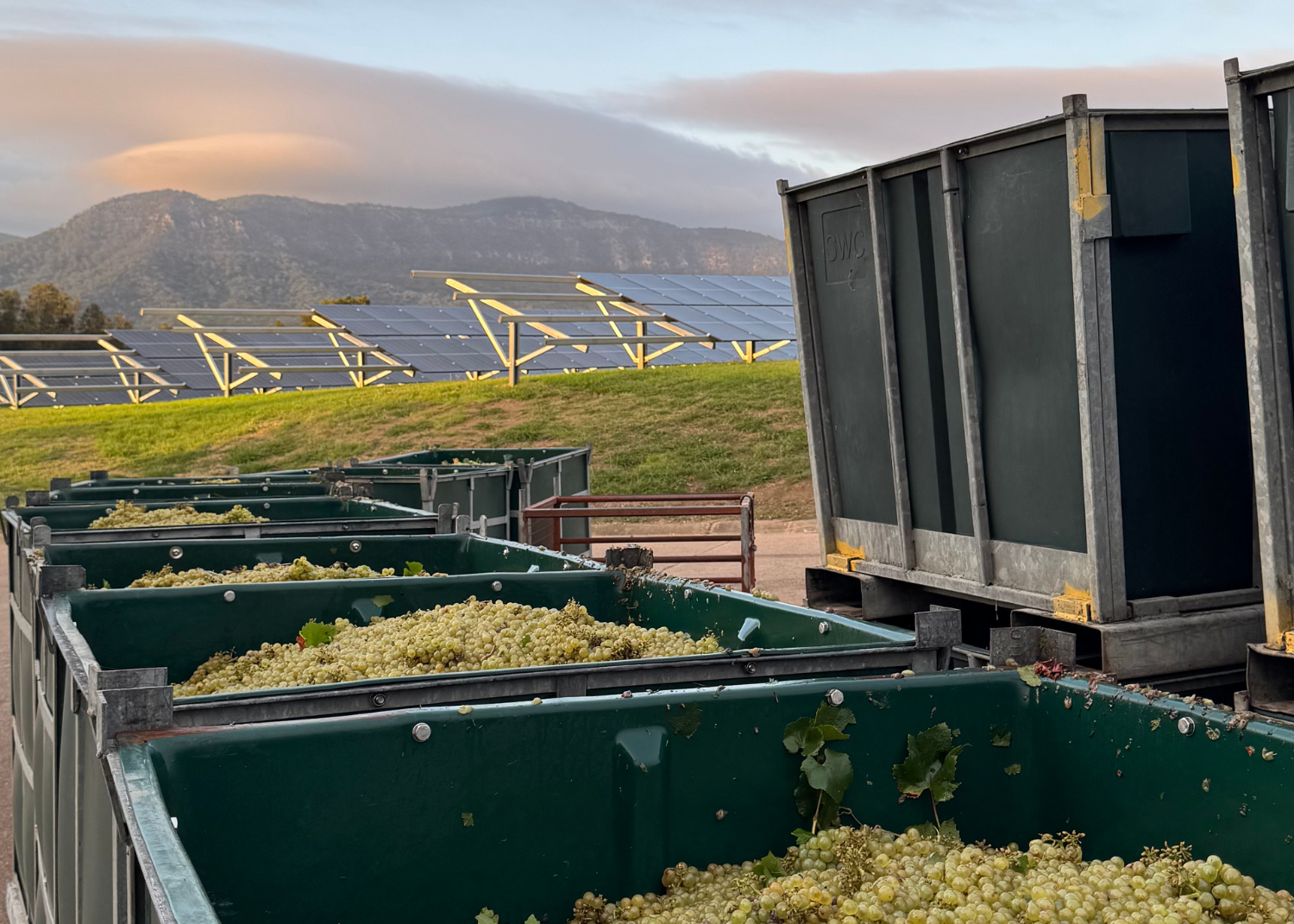
Vintage time is the ultimate opportunity for winery storytelling. We love being out and about with Mastermind wine clients, helping to guide their content strategies whilst getting a better understanding of different parcels and vineyards. Whilst it can look beautiful in the pictures, it’s also an intense, demanding time – particularly for small business owners juggling multiple roles.
The good news? With a little planning and the right approach, you can capture authentic, engaging content that resonates with your audience without adding stress to an already hectic period.
Here are our top ten tips for creating engaging content during vintage time:
- Plan Ahead with Your Team
If you’re in marketing, stay connected with the winemaking team. Know what’s being picked when, ripening stages, and key milestones. Capture content during quieter moments rather than peak chaos. Your winemaker will thank you, and the footage will be better when people aren’t sleep-deprived and overwhelmed.
Whilst some regions are well and truly in the thick of things, if you’re yet to begin schedule a pre-vintage meeting to identify 3-5 key storytelling moments you don’t want to miss. This might be the first pick, a specific varietal coming in that you may be launching as a wine in future, or the part of the process that resonates most strongly with your audience.
Sample structure:
- Week 1: Anticipation (ripening checks, vintage predictions)
- Week 2-3: Peak harvest (action shots, team features, daily updates)
- Week 4: Winemaking begins – not the usual stuff – have some fun!
- Week 5-6: Reflection (vintage wrap-up, thank yous, looking ahead)
- Answer the Questions Customers Are Actually Asking
Go behind the scenes and don’t assume viewers know the basics. Why pick at dawn? How do you decide when grapes are ready? What’s that machine actually doing? There’s both art and science to winemaking, and people are genuinely curious about the “why” behind the process.
Educational content builds trust and deepens connection with your wines. When customers understand the care and decision-making involved, they appreciate (and recommend) your wines more.
- Lead with Video, But Know Your Audience
Reels are driving strong reach and engagement on Meta. Short-form video is no longer optional; it’s how people consume content.
That said, tailor your format and tone to where your consumers actually spend time. A 60+ wine lover might engage more with email updates featuring longer-form YouTube content than trending TikTok audio. The key is meeting your audience where they are, not chasing every platform. Content can be captured for multiple formats, but think about how you publish to be cognisant of the audience needs. Tyrrells does a great vintage blog each year and we’d love to hear of any others.
What we’re seeing working right now:
- Behind-the-scenes footage– mounting a GoPro on equipment or following a team member.
- Time-lapse content– capturing the process from start to finish
- “Day in the life” content– following a winemaker, viticulturist, or even seasonal harvest workers through their day
- People – the real and authentic content that people can connect with.
Want some inspiration of how to talk about some of the vineyard stories – go and check out Dr Dylan Grigg and his feed on instagram.
- The “Hook” Rule: You Have 3 Seconds
You have 1-3 seconds to capture attention on social media. Start with movement, an intriguing visual, a question, or peak action. Don’t waste the opening on slow pans of static vineyards. Jump right into the compelling moment. Lead with the action, then provide context.
Shoot for the Right Format
- Vertical video (9:16) for:Instagram Reels, TikTok, YouTube Shorts, Instagram/Facebook Stories
- Horizontal video (16:9) for:YouTube long-form, website embeds
Pro tip: Shoot vertical video with enough headroom that you can crop to square (1:1) if needed. This future-proofs your content for multiple platforms. Most vintage content should be shot vertically – it’s where the engagement is.
Remember stories on social media is designed to give behind the scenes content and it can be raw and not as polished.
- Don’t Forget Captions
50-85% of social media video is watched without sound. Where possible, add captions or text overlays to key information. Your content needs to work both with and without audio. This also makes your content more accessible to everyone. Be sure to check how content auto captions though, as sometimes this can be problematic.
- Repurpose Content Across Touchpoints
Don’t let great vintage footage live only on social. Embed YouTube links in newsletters, create dedicated vintage updates that aren’t sales-focused, or use behind-the-scenes clips in email campaigns to build anticipation for upcoming releases.
Think of vintage content as an asset library. That reel you posted today could become part of your winery tour video, your “About Us” page, launch content for new wines or next year’s vintage announcement to show how conditions compare year-on-year.
- Stand Out from the Thousands of Other Wineries Picking Right Now
Keep people at the heart of your story and have some fun. Feature the faces and personalities behind your wine. Share what makes your approach, philosophy, or vineyard unique rather than generic “grapes in bins” shots. We love how Unico Zelo does this as a great example.
Not every wine consumer will follow the number of wine brands on social media as we do in the industry, so think about your own narrative rather than following the crowd! A bit of fun and personality always will always win out.
Ways to differentiate:
- Highlight family traditions (Merralea Scarborough’s vintage tradition always melts our heart!)
- Showcase sustainable or regenerative practices in action – what does this look like vs how you’ve done things in the past?
- Feature your team’s personalities- their quirks, their expertise, their passion for particular wines. Picking Fiano? Don’t forget #fianofridays to tell the story!
- Share the micro-decisions that make your wine distinct (picking times, sorting protocols, fermentation choices)
- Tell the story of a specific parcel or block and why it’s special
- Be Selective – Storytelling Isn’t a Documentary
You don’t need to show every step of the process. Focus on the most visually compelling, emotionally resonant, or educational moments. What would make someone stop scrolling?
Great storytelling has tension, resolution, and emotion. The rush to beat incoming rain. The satisfaction of tasting perfectly ripe fruit. These narrative elements are far more engaging than a chronological walkthrough of every harvest task. Also consider what
- Drive Interaction, Don’t Just Broadcast
Use polls (“Guess how many tons we picked today?”), ask questions in captions (“What part of winemaking are you most curious about?”), encourage comments, and respond authentically. Social media algorithms reward conversation, not monologue.
Engagement ideas:
- Quiz your audience on vintage facts
- Ask followers to guess what’s happening in a photo
- Run a “name our new vintage” competition
- Share a problem you’re solving and ask for input (even lightheartedly)
- Create “this or that” stories comparing vintage years or varietals
- Embrace Authenticity Over Perfection
Some of the most engaging vintage content is raw, real, and slightly messy rather than overly polished. Don’t wait for perfect lighting or professional equipment. Your iPhone and genuine moments often outperform staged content. Audiences crave authenticity—they want to see the reality of winemaking, muddy boots and all.
It’s a wonderful time of year to work in wine! Remember, vintage content shouldn’t end when the last grape is picked. There’s many layers to a story – but think carefully about what the consumer really cares about. Extend the story to keep momentum going and set up anticipation for future releases.
Vintage storytelling is about connection, not perfection. It’s about inviting people into your world, sharing your passion, and creating moments that make them feel part of your winemaking journey.
The wineries that do this well aren’t necessarily the ones with the biggest budgets or fanciest equipment. They’re the ones who show up authentically, consistently, and with a clear understanding of what their audience cares about. Need some help? Be sure to reach out to our team for a chat.


